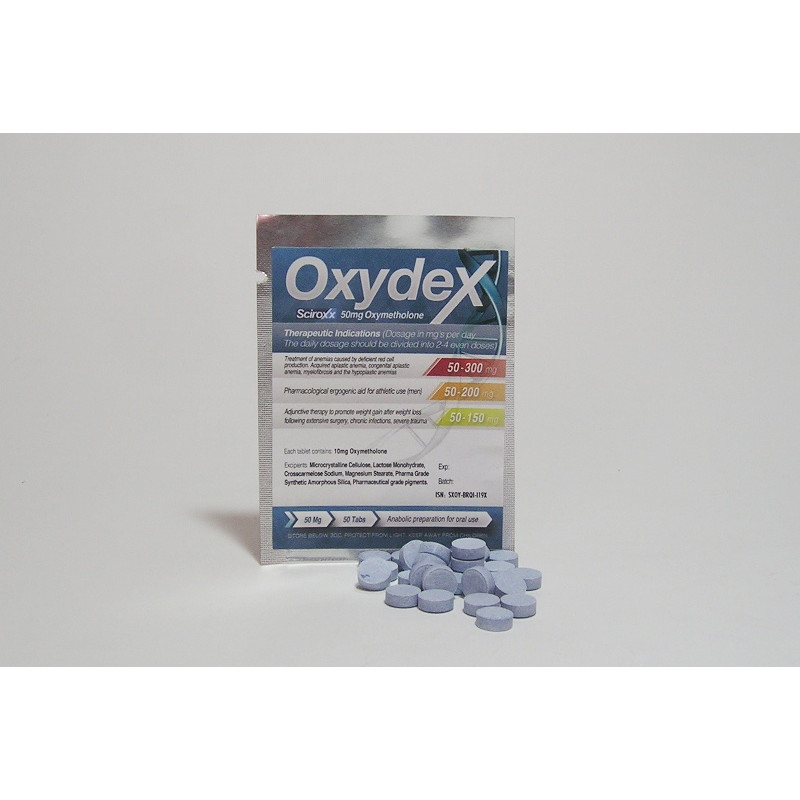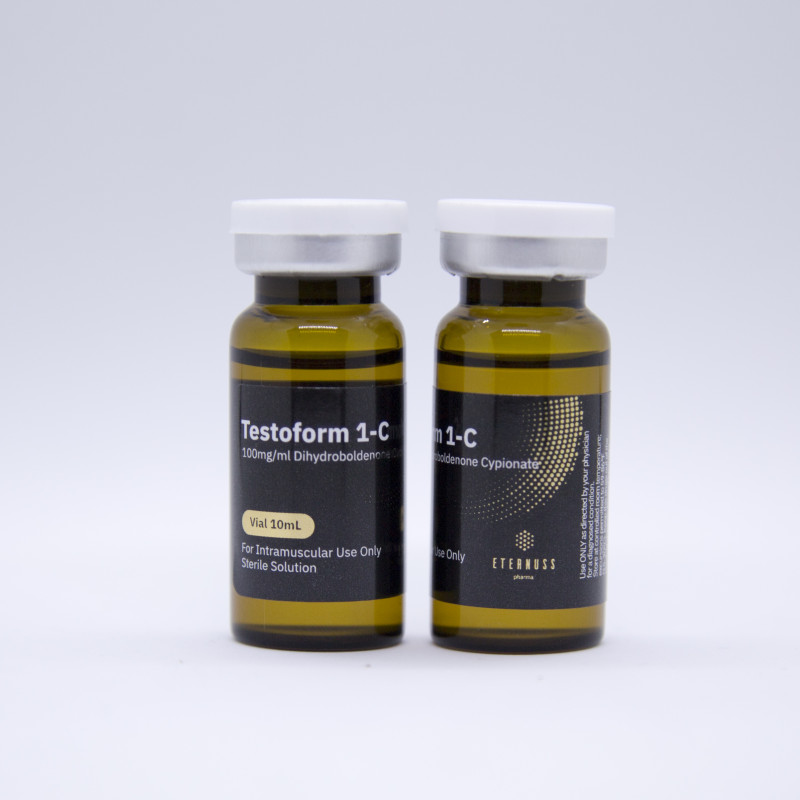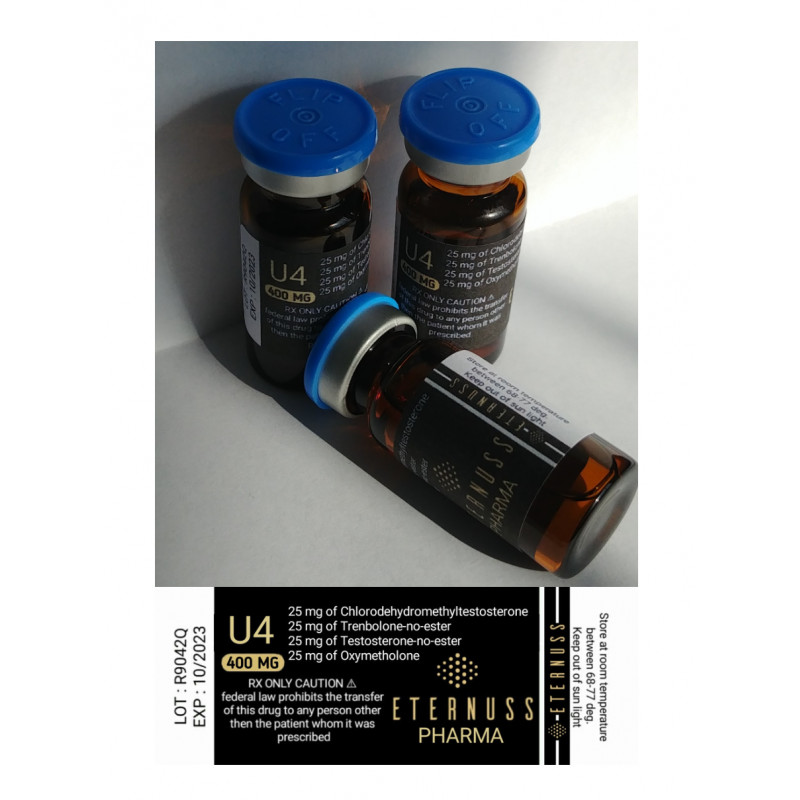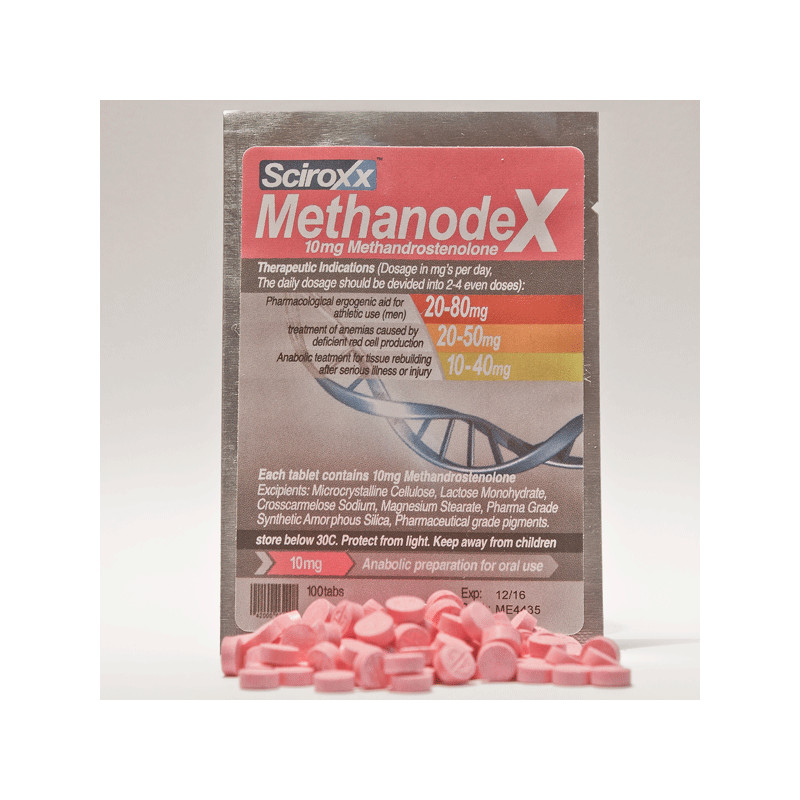
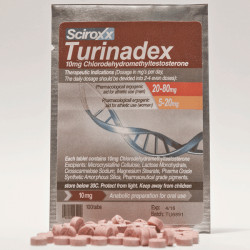
Few, if any, anabolic steroids have a story as interesting as Turinabol.
Compared with names such as Dianabol, Anavar, or Deca, Turinabol is still somewhat esoteric. Turinabol — known in the bodybuilding community as Tbol — will usually put fewer kilograms of mass on your frame than testosterone or Dianabol. Its impact on appearance is less dramatic than compounds such as Trenbolone, yet it belongs to a niche that makes it a favorite for many experienced users and professional athletes.
Its legacy was built through a rare combination of performance, chemistry, and documented real-world athletic results that few drugs can match.
This is the oral steroid most famously associated with the East German sports machine, where it became part of one of the most successful — and controversial — doping systems in modern athletic history. For that reason alone, Turinabol stands apart. It is not just another old-school anabolic. It is one of the few compounds tied directly to a real, organized, state-backed pursuit of medals, records, and athletic dominance.
But Turinabol would not still be discussed today if it were only a historical curiosity.
Bodybuilders, and especially combat-sport, martial-arts, and track-and-field athletes, remain interested in it because of its reputation for providing steady strength, a performance edge, clean-looking progress, and all of this without the extra kilograms associated with many of the better-known steroids.
What Is Turinabol?
We are going to get a little into chemistry here. I know that for some readers this may sound like gibberish, but it is worth your time, because the chemistry explains what makes Turinabol so unique.
Turinabol carries part of the reputable anabolic effect of Dianabol, but without the same bloat, while measurably reducing the androgenic impact and side effects. These traits especially shine in sports that require maximum power-to-weight ratio, and of course in women, who are especially sensitive to the androgenic — virilizing — effects of steroids. This helps explain why Turinabol became so closely connected to East Germany’s national sports program.
Turinabol, also known as chlorodehydromethyltestosterone or dehydrochloromethyltestosterone, was originally marketed under the name Oral-Turinabol.
Despite the “dehydro” part in its generic name, Turinabol is not a DHT-derived steroid.
Chemically, it is a 4-chloro derivative of metandienone, the steroid better known as Dianabol. PubChem lists Oral-Turinabol with names including 4-chloro-methandienone, 4-chloromethandienone, and 4-chlorodianabol, which supports the practical description of Turinabol as a chlorinated Dianabol-type compound.
That single point explains almost everything about Turinabol’s character.
Why Turinabol Is Really Chloro-Dianabol
The name chlorodehydromethyltestosterone can be confusing.
At first glance, it sounds like a simple modified testosterone:
chloro + dehydro + methyl + testosterone
But let’s dissect it properly.
Once testosterone is modified with a 17-alpha methyl group and an additional 1-dehydro double bond, you are no longer dealing with plain testosterone. You are essentially in the chemical territory of metandienone, better known as Dianabol. NIST lists metandienone/Dianabol under names such as 1-dehydro-17α-methyltestosterone and 17α-methyl-1-dehydrotestosterone, which shows exactly why the “methyl” and “dehydro” parts matter so much.
Then Turinabol adds another critical change: a chlorine atom at the 4-position.
So the practical bodybuilding explanation is simple:
Turinabol is 4-chloro-metandienone — basically Dianabol with a 4-chloro modification.
Simple Chemistry Diagram
Testosterone
     │
     ├── add 17α-methyl group
     ├── add Δ1 double bond
     ▼
Metandienone / Dianabol
     │
     ├── add 4-chloro modification
     ▼
Turinabol / 4-chloro-metandienone
This is the cleanest way to understand Turinabol:
Not a DHT derivative, not plain chlorinated testosterone, but a chlorinated cousin of Dianabol.
Why the 4-Chloro Modification Matters
The 4-chloro modification is the small chemical change that gives Turinabol much of its personality.
It changes the balance of the steroid.
Dianabol has a dramatic effect. It can quickly put kilograms on your frame, and those kilograms are often accompanied by noticeable water retention. A major part of that effect is due to the fact that Dianabol can aromatize into an estrogenic metabolite — commonly described as 17α-methylestradiol — which contributes to estrogen-related effects such as fluid retention.
The combination of strong anabolic-androgenic activity with estrogenic activity is part of what makes Dianabol such an effective mass builder. Estrogen can potentiate some anabolic effects of anabolic-androgenic steroids; however, it also turns part of the favorable additional weight into a more puffy, bloated look, where at least part of the added weight is distinct fluid retention.
Turinabol is different.
The 4-chloro group helps prevent direct aromatization into estrogen. And indeed, the muscle gains with Turinabol are considered far less fluid-driven, manifesting more as lean gains and a “cleaner and tighter” visual result.
But the chlorine modification appears to do more than that.
It also seems to sharpen the anabolic-to-androgenic balance. The 4-chloro atom can hamper reduction of the 4,5-double bond by 5α-reductase. This is the pathway that converts testosterone into dihydrotestosterone, or DHT, a more potent androgenic metabolite. This supports the idea that Turinabol has much lower androgenic expression. Modern DHCMT research also notes that the 4-chloro atom hampers 5α-reductase reduction, while 4-chlorination and the 1,2-double bond prevent aromatization of the A-ring.
In practical terms, Turinabol preserves useful anabolic activity while reducing some of the more aggressive androgenic and estrogenic traits associated with Dianabol.
This is where the old German literature becomes especially interesting.
A secondary scan of Structure and Effects of Anabolic Steroids cites Dörner’s castrated-rat work using metandienone as the standard. According to that summary, Turinabol showed about 52% of metandienone’s anabolic activity, but only 15–23% of its androgenic activity, plus about 20% of its gonadotropic effect.
That means Turinabol is weaker than Dianabol in raw anabolic power. But it had a clearly more favorable anabolic-androgenic separation.
So, in pure terms of added muscle mass, Tbol would yield slightly more than half of what Dbol would yield according to this model — yet with only around one-fifth or less of Dianabol’s androgenic impact.
Now to the gonadotropic point, which should be understood carefully. In steroid language, this relates to hormonal-axis effects. All anabolic steroids suppress the gonadal axis — or, in simple terms, when you introduce exogenous steroids into the system, they suppress the natural production of testosterone.
This suppression may continue long after the exogenous steroid is discontinued. This is why users often attempt to mitigate this effect with PCT, or post-cycle therapy. This can never be done in a perfect manner; far from it in many cases. Suppression is unavoidable, and in many cases of steroid abuse, natural testosterone production may never fully recover.
So, in that old experimental model, the negative gonadotropic impact of Dianabol appears roughly five times higher than that of Turinabol. That is part of what makes Turinabol appear much “cleaner” and easier to manage in terms of side-effect impact — while still remembering that this is based on a model, not a guarantee of five-times-lower suppression in every real human user.
The East German Connection
Why East Germany Made Turinabol Legendary
The reason Turinabol still dominates gym lore is not just what it is, but where it was used.
Franke and Berendonk’s landmark paper, built from recovered classified records after the collapse of the GDR, reports that Oral-Turinabol was the compound most frequently used in the East German system. It also reports that steroid abuse in athletes was already underway by 1966, and that the 1974 state program formalized steroid administration as a centralized, secret part of elite preparation.
In other words, Turinabol is not merely rumored to have “helped athletes.” It is one of the few steroids whose place inside a state doping machine is documented in detail.
The scale is part of what makes the story so memorable.
The Clinical Chemistry paper describes more than 150 documents on systematic GDR doping, detailed drug records for more than 400 individual athletes, and a program in which more than 2,000 athletes preparing for international competition were treated each year. Minors were included. Adolescents were made to swallow Oral-Turinabol tablets described as “vitamin pills,” in front of coaches, and were instructed not to discuss the treatment even with their parents.
That material is dark, but it is also exactly what separates a memorable Turinabol article from disposable supplement-style copy.
For a bodybuilding audience, the documented dose-and-performance anecdotes are the parts they will remember.
Later histories summarizing program records describe a female shot-putter whose performance improved by up to two meters after taking 10 mg per day of Oral-Turinabol for 11 weeks during the 1968 Olympic year. Franke’s paper also reproduces internal records showing a minor female long jumper whose first treatment year totaled 935 mg of Oral-Turinabol.
It also documents a 1979 weightlifter who took 11,550 mg of Oral-Turinabol, plus 13 injections of testosterone esters and hCG. The 11.55 g figure is also repeated in later strength-and-conditioning literature discussing the GDR doping program.
These are not modern usage recommendations. But they clearly serve as evidence of how Oral-Turinabol, sometimes at relatively low doses and sometimes at extreme cumulative exposures, became connected to world records and elite Olympic performance.
The internal claims made by the system are just as revealing. One 1977 Stasi summary quoted in Franke’s paper asserted that steroid-supported preparation could improve women’s shot put by 4.5–5 meters, women’s discus by 11–20 meters, and women’s javelin by 8–15 meters over four years.
These are the differences between being a good professional athlete and producing stunning, world-record-level performance.
And this is not just old Cold War history. These recorded examples all point to the same conclusion: Turinabol has a proven ability to enhance performance in strength- and power-dominated sports. From there, the connection to modern sport is obvious.
From Olympic Records to Modern Failed Drug Tests
To this day, Turinabol — or more specifically, its long-term metabolites — remains one of the recurring names in failed drug tests. Possibly the most famous modern case involved Jon Jones, the former UFC light-heavyweight champion, widely regarded by many as one of the greatest MMA fighters ever. After UFC 214, Jones tested positive for M3, a metabolite associated with dehydrochlormethyltestosterone/DHCMT, better known as Oral-Turinabol. His victory over Daniel Cormier was later changed to a no-contest, and he received a 15-month sanction.
That modern anti-doping story only adds to Turinabol’s strange legacy. It was first famous as the East German performance steroid. Decades later, it became famous again because modern testing could still find its chemical fingerprints.
This is why Turinabol remains so fascinating. It is not the biggest mass builder, and it is not the most dramatic anabolic steroid ever made. But few compounds have such a rare combination of chemistry, documented performance history, Olympic controversy, and modern anti-doping relevance.
For a deeper practical guide covering Turinabol cycle structure, common combinations, dosage ranges, side-effect management, and how it compares head-to-head with other anabolic compounds, check the full guide here: