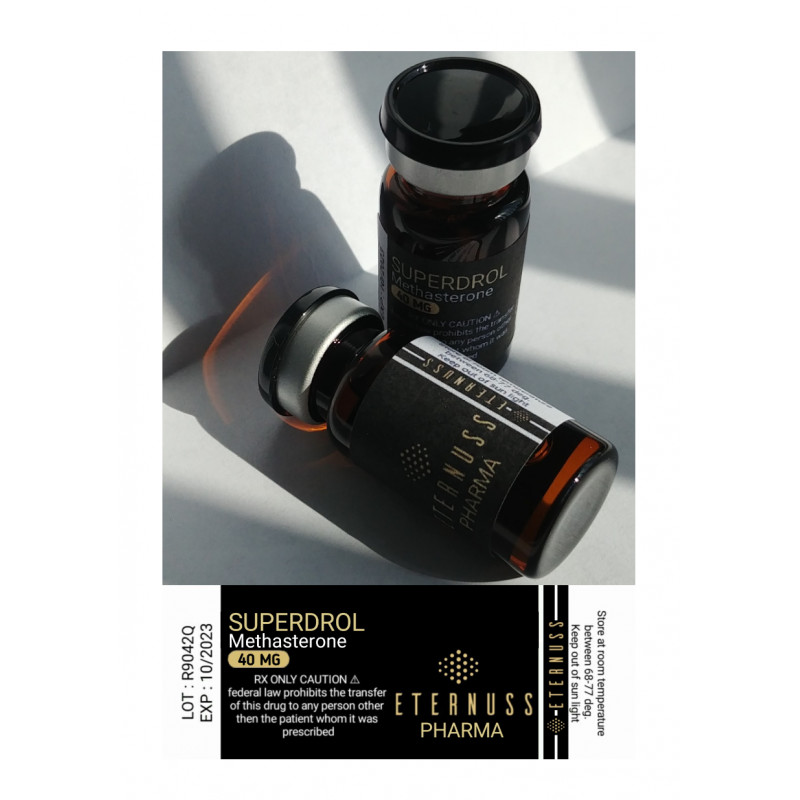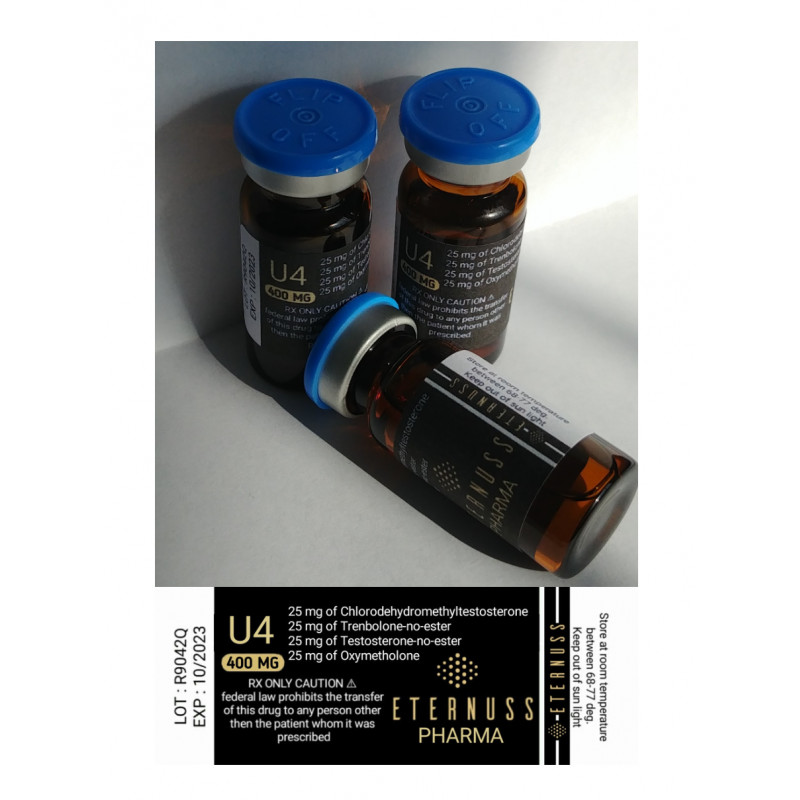
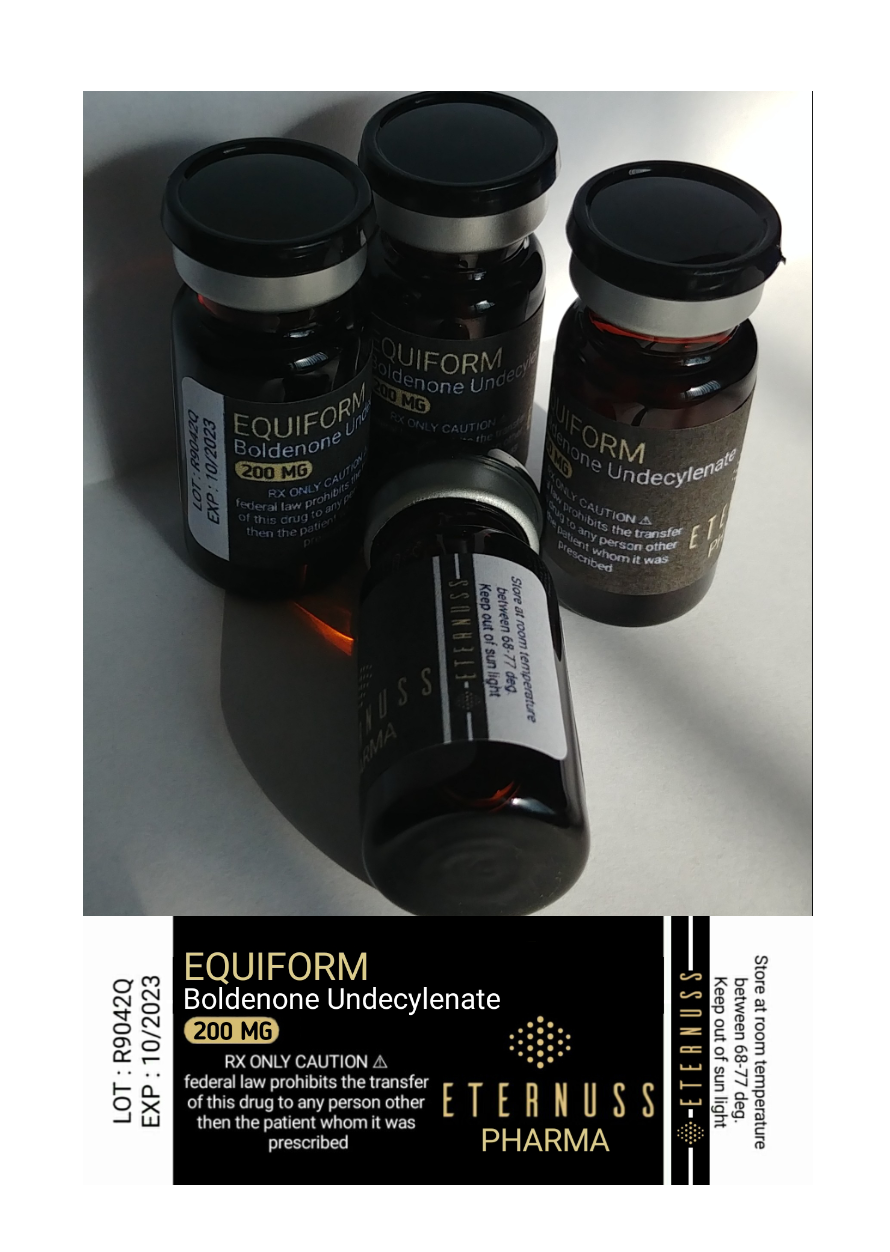
Testosterone, Boldenone, and the Old Dream of a More “Selective” Anabolic Steroid
Testosterone’s role in muscle building, strength, vigor, and male physiology was identified long before modern bodybuilding existed. By the 1930s, testosterone preparations had already entered medicine. Interestingly, Nazi Germany became deeply interested in this form of pharmaceutical enhancement — from hormone preparations to the far more notorious use of stimulants during World War II.
The famous “über-soldier” idea is strongly connected with stimulants such as methamphetamine, along with hormone preparations such as testosterone suspension; all belonged to that same dark period of pharmaceutical experimentation.
Even Hitler himself was treated for years by Dr. Theodor Morell with a bizarre personal cocktail that reportedly included testosterone preparations, animal extracts, stimulants, sedatives, and many other drugs. The pictures below are not scientific proof of anything by themselves, but they do offer a striking visual contrast: the thin World War I soldier versus the later political figure under years of medical treatment, this speaks for itself….

However, since the dawn of this field, the ultimate goal has always been the same: to separate the muscle-building, or anabolic, effects of testosterone from its androgenic, or virilizing, effects.
That perfect separation has never truly been achieved. Every anabolic steroid still carries androgenic activity to some degree. But boldenone is one of the classic examples of this pursuit. It is clinically described in pharmacological literature as having high anabolic activity with relatively low androgenic activity.
Of all anabolic steroids, boldenone is the one that is the closest in its structure to testosterone. Boldenone’s molecule contains one small structural change compared with testosterone: an extra double bond between carbon 1 and carbon 2. This turns testosterone’s A-ring into a Δ1,4-dien structure. That may sound like a mouthful for many readers, but in simple terms it means one surgical chemical edit to testosterone.
That edit preserves the anabolic engine, but changes the side-effect signature.
In practical terms, boldenone still activates the androgen receptor like testosterone and supports classic anabolic effects such as nitrogen retention, appetite, muscle tissue recovery, and red-blood-cell stimulation. But compared with testosterone, it appears to produce less estrogenic activity and less DHT-like androgenic amplification.
For readers who are less familiar with the terminology: estrogen is commonly called the female hormone, although men need it too. In bodybuilding, excessive estrogenic activity is associated with unwanted side effects such as water retention and gynecomastia — the so-called “man boobs.” At the same time, estrogen is not useless; it has its own anabolic and protective merits, especially for joints, mood, libido, and the overall growth environment.
DHT, or dihydrotestosterone, is the most potent natural androgen in the body. It is responsible mainly for virilizing effects in tissues such as skin, sex organs, hair follicles, voice, the groin area, and even the brain. Testosterone converts to DHT through the 5α-reductase enzyme, and that is one of the reasons testosterone can feel strongly androgenic in many users.
Boldenone behaves differently.
Estrogenic Character
The estrogen side of boldenone is often misunderstood. Unlike DHT-derived compounds such as Masteron, Winstrol, or Anavar, boldenone can still be converted to estrogen. It can still interact with aromatase, but the altered A-ring makes it a weaker substrate than testosterone.
This is why users often report less water retention, a cleaner look, and lower estrogenic side effects in general with boldenone, although estrogenic effects are still possible. Unlike steroids such as Winstrol, the estrogenic impact is not completely diminished; therefore, joint health and the anabolic aspects of estrogen are not completely extinguished.
Anecdotally, some users even report lower serum estrogen levels while using boldenone — something that one may also experience with drugs such as Masteron or Primo. This has led to the idea that boldenone may have some kind of anti-estrogen effect. However, there is no strong scientific basis proving that boldenone is directly anti-estrogenic.
My own speculation is simpler: boldenone may compete with testosterone at the aromatase enzyme, but because boldenone aromatizes less efficiently, less “pure” estradiol may appear in bloodwork. In other words, the user may see lower estradiol readings not because boldenone magically blocks estrogen, but because it competes with testosterone for aromatase while producing less estrogenic output.
The aromatized product is generally thought of as estradiol or estradiol-like estrogenic metabolites, but the important practical point is the same: compared with testosterone, the total estrogenic impact is usually reduced.
So in practical terms, the user experiences fewer estrogenic side effects, visibly lower water retention, and a cleaner appearance compared with testosterone or Dianabol — which, as we will see later, is basically the oral “brother” of boldenone.
Androgenic Side: DHT, DHB, and 5α-Reductase
The 5α-reductase story is even more interesting.
Testosterone converts to DHT through an enzyme called 5α-reductase. DHT is the most potent androgen in the body, considered to be 3–5 times more potent than testosterone in androgenic target tissues such as the prostate, skin, and brain.
Boldenone, in theory, would convert to DHB, also known as 1-testosterone — a highly anabolic steroid by itself.
DHB is also a powerful androgen in its own right, yet it is more anabolic than androgenic — unlike DHT, which is primarily androgenic. This is why some people casually say, “EQ converts to DHB,” chemically attributing some of boldenone’s anabolic effects to this pathway. That statement is true in principle. But in real-world human metabolism, it is probably exaggerated.
Available human metabolism data does not show DHB as the dominant measurable pathway. Instead, one of the major urinary metabolites of boldenone is often BM1, a 5β-reduced metabolite. That is important because 5β-reduced metabolites generally do not behave like strong DHT-style androgens.
Again, like with estrogen, in practical terms: boldenone has less androgenic amplification than testosterone. It may form some DHB, but the dominant measurable metabolism appears to lean more toward BM1 and other pathways rather than heavy conversion into a powerful DHT-like androgen. This means a lower androgenic impact, all in all, while boldenone retains its high anabolic impact.
Clinical Records: Traits and Benefits
Boldenone is approved in the USA and many other countries for veterinary purposes, and its anabolic effects are well established. Its reputation is not based only on bodybuilding folklore.
Animal studies help explain why boldenone became so popular among athletes and bodybuilders. A broiler study found that boldenone significantly increased erythrocyte count, hemoglobin, and hematocrit. It also increased total protein, globulins, cholesterol, triglycerides, and glucose. At the same time, it also increased liver and kidney biomarkers and caused degenerative liver and kidney changes.
So first, boldenone seems to offer a distinct and favorable ability to enhance red-blood-cell production. Any anabolic-androgenic steroid can do this to some degree, but boldenone appears to excel in this regard.
This clinically explains what many bodybuilders observed decades ago: boldenone can enhance muscular stamina through higher blood count, which is crucial in sports and intense training. This also goes hand in hand with better recuperation from vigorous training and the vascular look so desired by bodybuilders.
Still, even though boldenone is generally considered one of the safer and less toxic anabolic steroids, it clearly has its own potential share of side effects, as this study shows.
A lamb study was even more supportive of boldenone’s anabolic-growth effects. Treated lambs showed significantly higher body gain, higher total proteins and hemoglobin, lower urea, and earlier puberty compared with controls. The study showed final body gain of around 10.5 kg in treated groups versus 7.0 kg in controls.
That strongly supports the anabolic nature and muscle-building effects of boldenone. A roughly 50% increase is impressive — especially when we remember that these are animals that did not alter their nutrition like bodybuilders or trigger any extra growth stimulation through training. 🙂
Now let’s see how boldenone compares to other anabolic steroids.
Compared to Testosterone
So, boldenone is the closest steroid to testosterone in its basic structure. It shares the same androgenic-anabolic backbone, yet in practice the two drugs “feel” quite different.
As we discussed earlier, testosterone has much more pronounced estrogenic and especially androgenic effects. Boldenone, particularly in its undecylenate ester form, tends to build muscle more slowly, but often with higher-quality gains and less visible water retention.
The two are actually combined very well together. Testosterone provides the sheer mass-building base, while boldenone can support leaner, steadier growth with fewer estrogenic and androgenic issues. This combination became one of the backbones of many quality mass-building cycles.
Compared to Nandrolone
Nandrolone is often considered even more “anabolic-selective” than boldenone because it has even lower androgenic impact. This is an inherent trait of nandrolone being a 19-nor steroid, which makes it convert to a weaker dihydro version, unlike testosterone or boldenone.
However, nandrolone is also a progesterone-receptor agonist, which can cause some unpleasant — though not necessarily dangerous — side effects such as “Deca dick.” It also tends to cause more water retention than boldenone due to this impact.
In simple terms, nandrolone may add more kilograms onto your frame than boldenone, but much of that look can be softer, wetter, and less defined. Boldenone usually produces a cleaner and more vascular appearance.
Compared to Dianabol
Now we get to the most fascinating comparison.
Methandrostenolone, better known as Dianabol, is chemically the closest steroid to boldenone. It is essentially a 17α-methylated, orally active relative of the boldenone skeleton.
That small chemical change completely alters the drug’s personality.
Dianabol offers much faster and more dramatic results. It can put kilograms on your frame very quickly, but a measurable part of that weight is usually fluid retention. Estrogenic side effects such as gynecomastia — “man boobs” — are also much more pronounced with Dianabol.
Concerning androgenic impact, Dianabol is also more prone to side effects such as acne and oily skin. This is partly because of its more aggressive nature and very short half-life of only about 3.5–4 hours, which builds the androgenic impact much faster compared with the much longer activity of boldenone undecylenate, the most popular form of boldenone.
These two drugs can be combined successfully in cycles, but Dianabol is usually used only for a few weeks because of its aggressive nature, notorious effect on liver enzymes, and other side effects. It is then often replaced by another anabolic, usually an injectable one.
This is the irony: Dianabol is chemically close to boldenone, but the two behave very differently. Dianabol is fast, dramatic, oral, and estrogenic. Boldenone is slow, injectable, steady, and far less theatrical.
Compared to Stanozolol and Oxandrolone
Stanozolol and oxandrolone — Winstrol and Anavar — are DHT-derived steroids, unlike boldenone.
They have strong anabolic reputations, do not aromatize, and usually cause much lower water retention. However, they come with their own androgenic, lipid, and liver-related issues, especially because they are oral 17α-alkylated compounds.
Anavar and Winstrol also have different traits concerning androgen-receptor activity and SHBG binding. SHBG is the protein that carries and partly deactivates sex hormones in the blood. Because of their different chemistry, these steroids can create a complementary effect when used with boldenone, especially in cutting and recomposition cycles.
Boldenone is not a DHT-derived “dry” steroid like Anavar or Winstrol. But because it is relatively low in estrogenic water retention, it can still fit very well into lean-gain or recomposition-style cycles.
Compared to Trenbolone
Trenbolone is much more aggressive than boldenone.
Many reviews and bodybuilders consider trenbolone one of the most powerful anabolic-androgenic agents ever used in performance enhancement. It carries a very high anabolic and androgenic reputation, while boldenone’s profile is much slower and less dramatic.
They are also different by chemistry. Trenbolone belongs to the 19-nor family, like nandrolone, while boldenone is much closer to testosterone. This means the two steroids are not truly replaceable. They can be combined by advanced users, but they do not serve the same role.
Trenbolone is also notorious for side effects, including mental and psychological impact, sleep issues, aggression, anxiety, and overall systemic harshness. These traits are much rarer with boldenone.
In bodybuilding language, trenbolone is a hammer. Boldenone is a slow builder.
Boldenone does not usually create the dramatic overnight visual transformation associated with trenbolone, Dianabol, or high-dose testosterone. Its strength is different: appetite, stamina, red-blood-cell production, steady lean tissue gain, lower water retention, and a harder, more vascular look over time.
That is exactly why boldenone remains a solid and reliable choice. It is not the most explosive anabolic steroid, and it is certainly not free of side effects. But it represents one of the clearest examples of the old pharmaceutical dream: to keep the anabolic engine of testosterone running while reducing some of the estrogenic and androgenic noise around it.
For more information on practical usage, cycles, combinations, dosage ranges, and side-effect mitigation, refer to the full guide here:
✔️ EquiForm 400
✔️ EquiDex 200