Should Mounjaro, Ozempic, or Retatrutide Be Combined with Steroids and HGH?
Over the last couple of years, I’ve been getting the same question again and again:
“If I’m using Mounjaro, Ozempic, or even newer drugs like Retatrutide, should I combine them with anabolic steroids or HGH to hold onto muscle?”
It’s a fair question. These new weight-loss drugs are incredibly effective for dropping kilos—but that fat loss doesn’t always come alone. Lean mass (muscle) is often lost along the way, and for anyone who cares about performance, physique or long-term metabolic health, that’s a serious concern.
In a previous article, “Mounjaro, Ozempic, and Muscle Loss: What You Need to Know,” we looked at how aggressive calorie restriction plus GLP-1 drugs can strip not only fat but also muscle. A big part of the effect comes from:
-
Appetite suppression → less food → lower protein + fewer calories
-
Faster, deeper weight loss → higher risk of lean-mass loss
So some will say: the problem with these modern GLP-1 and GIP/GLP-1 drugs is not whether they work well enough—but that they work too well. A substantial proportion of the weight lost is still muscle, not just fat. That’s bad news for health, immune function, strength, and of course appearance.
So where do steroids and HGH fit in?
Let’s be clear up front:
This is not a recommendation to start stacking anabolics or HGH with these medications.
We’re looking at physiology, synergy, and risk, not giving a “how-to” cycle guide.
1. Quick recap: What do Ozempic, Mounjaro, and Retatrutide actually do?
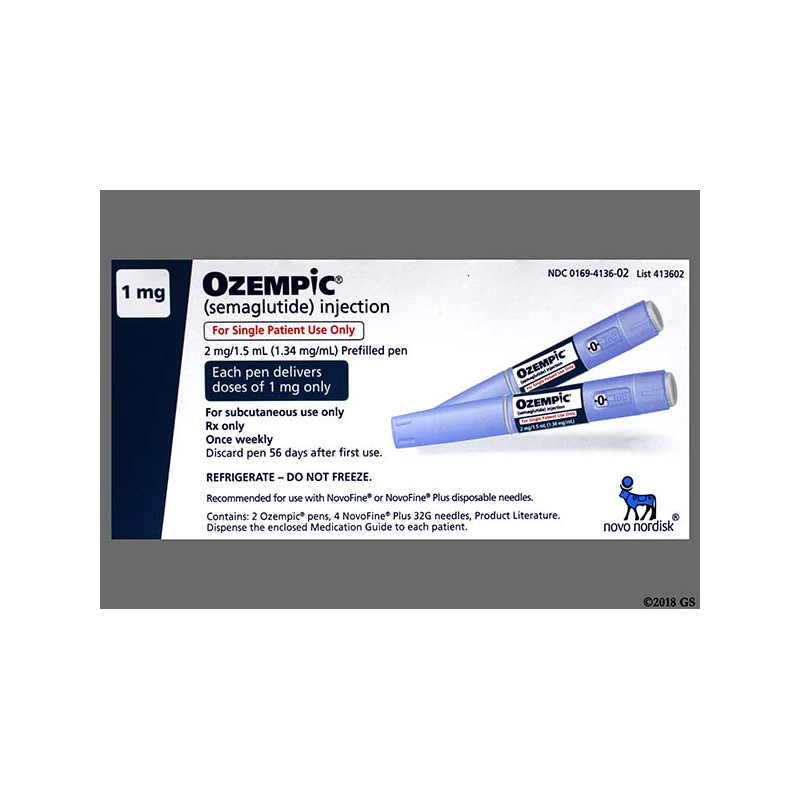
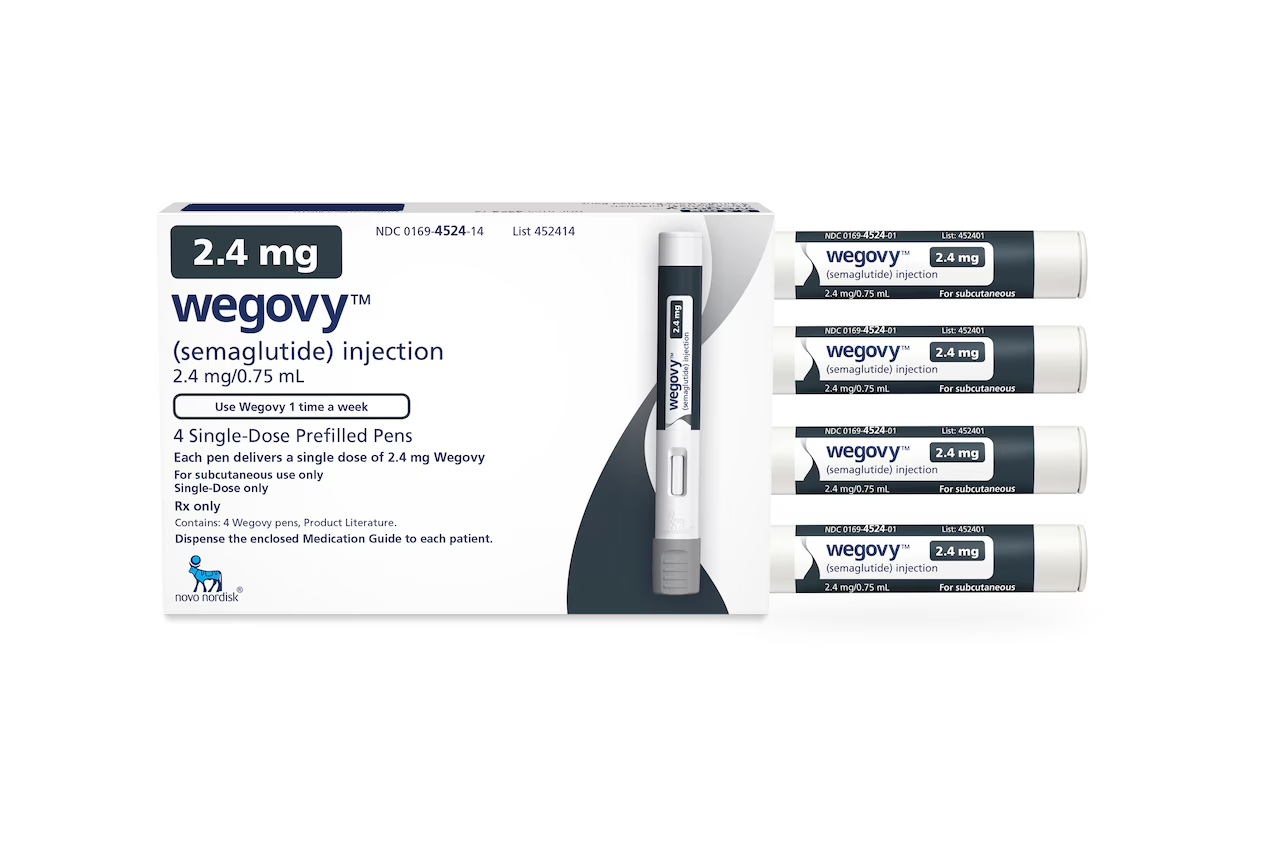
Ozempic / Wegovy (semaglutide)
-
GLP-1 receptor agonist
-
Lowers appetite, slows gastric emptying, improves insulin sensitivity
-
Often delivers 10–15%+ weight loss (or more) over time in obesity when used consistently
Mounjaro / Zepbound (tirzepatide)
-
Dual GIP + GLP-1 receptor agonist
-
Generally produces even greater weight loss than semaglutide at comparable time frames
-
Also improves glycemic control and insulin sensitivity
Retatrutide
-
Newer, investigational triple agonist (GLP-1, GIP, and glucagon receptors)
-
Phase 2 and early phase 3 data show very large weight-loss numbers (often ~20–25%+ in some trials, published in journals such as the New England Journal of Medicine)
-
Body-composition sub-analyses suggest more fat than lean mass is lost, but still a significant chunk of lean tissue drops along with the weight
Bottom line:
All of these drugs work very effectively for weight loss. But they also:
-
Reduce calorie intake aggressively
-
Put the body under catabolic pressure
-
Cause meaningful lean-mass loss unless training, protein intake, and overall strategy are dialed in
That’s where people start thinking about anabolic support.
2. Muscle loss on GLP-1 drugs: why it happens
Even without any fancy pharmacology, old-school diet studies show:
-
With basic dieting, 25–35% of total weight loss is often lean mass (muscle), not fat
-
The faster and more aggressive the cut → the higher the percentage of muscle lost
GLP-1 / GIP / triple-agonist drugs turbo-charge the calorie deficit by destroying appetite. That’s great for fat loss… but not automatically for muscle.
Key reasons muscle drops:
-
People eat less total protein along with fewer calories
-
Training intensity often falls (less energy, less motivation to push hard)
-
The hormonal environment during rapid weight loss is not anabolic
So the “GLP-1 + deep deficit” combo is absolutely effective for fat loss—but it also raises the risk of sarcopenia, especially in middle-aged or older users.
3. Where steroids come in: potential benefits and real risks
From a purely mechanistic standpoint:
-
Anabolic steroids (testosterone and its derivatives) are, by clinical definition, among the most powerful pharmacologic tools against sarcopenia (muscle loss).
They:-
Increase protein synthesis, nitrogen retention and lean-mass accrual
-
Decrease muscle breakdown (anti-catabolic effect)
-
In simple terms: more new muscle built, less muscle lost.
They can therefore counterbalance some of the muscle-wasting effects of a harsh calorie deficit.
That’s exactly why, in the real world:
-
Many athletes use low-to-moderate anabolic doses in cutting phases. The modern fitness and bodybuilding scene—at least at the top—wouldn’t look the way it does without that pharmacology.
-
Some coaches quietly add anabolics when their clients go on GLP-1s to preserve size and strength, especially in athletes who must stay within a certain weight class.
-
Additionally, anabolic steroids themselves have fat-reducing effects, which we discuss in detail in another article on steroids and fat loss (link).
So physiologically, not only is there no direct contradiction between:
-
GLP-1 / GIP / triple-agonist drugs
-
And anabolic steroids
—they actually complement each other quite well at the body-composition level:
-
GLP-1 drugs → eat less, weigh less, but risk more muscle loss
-
Anabolics → drive new muscle growth and/or preserve lean mass despite a calorie deficit
The problem? Steroids are not benign tools. Even at “TRT-like” or “mild” doses, they can:
-
Raise hematocrit, blood pressure and cardiovascular risk
-
Worsen lipids (HDL down, LDL up)
-
Strain the liver (especially certain orals)
-
Impact fertility and the HPT axis (shutdown, reduced sperm production)
-
Affect mood, sleep and psychological stability
So while the combination may work to protect muscle on paper—and in real-world anecdote—the health cost is something to think about very seriously, particularly in older or already overweight users who are on GLP-1s for cardiometabolic reasons.
Key point:
Just because there’s no direct pharmacologic contradiction doesn’t mean it’s a good idea to self-stack these drugs without medical supervision.
4. HGH and GLP-1 / GIP / triple agonists: a deeper metabolic synergy
HGH is a different animal again.
What HGH does in this context:
-
Strongly promotes lipolysis (fat breakdown), especially visceral fat
-
Supports lean mass and can increase fat-free mass over time
But it also:
-
Raises blood glucose
-
Decreases insulin sensitivity
-
Can worsen or unmask insulin resistance / prediabetes if misused
GLP-1 / GIP / triple agonists, on the other hand, tend to:
-
Improve insulin sensitivity
-
Lower fasting and post-meal blood glucose
-
Reduce appetite and total energy intake
So metabolically, there is a very interesting complementarity:
-
HGH pushes the body toward using more fat for fuel, but at the cost of higher glucose and lower insulin sensitivity
-
GLP-1 / GIP drugs pull glucose and insulin sensitivity in the opposite direction, helping to clean up some of HGH’s metabolic downsides
So both in theory—and practically, in the way many high-level athletes understand it:
**HGH + GLP-1 / GIP agonist =
More fat mobilization + better glucose control
distinct muscle preservation (assuming heavy training and high protein).**
But there are important caveats:
-
Additive or overlapping side effects:
-
GI issues from GLP-1 (nausea, vomiting, diarrhea)
-
Edema, carpal tunnel, joint aches, possible IGF-1-related concerns from HGH
-
-
Unknown long-term risk when you combine a growth-axis hormone with powerful incretin-based drugs at non-physiologic doses
So yes, from a purely mechanistic standpoint, HGH and these peptides are highly synergistic for recomposition. But that does not automatically mean the combination is safe, nor that it should be considered routine.
5. Where Retatrutide fits into this picture
Retatrutide, as a GLP-1 / GIP / glucagon triple agonist, pushes things even further:
-
Phase 2 obesity trials report around 22–24%+ weight loss at higher doses
-
Sub-studies indicate that most of that loss is fat, but a meaningful portion is still lean mass, similar to other GLP-1-based therapies
The glucagon-receptor component adds:
-
More energy expenditure
-
More fat oxidation
-
Potentially more strain on amino acid balance and lean mass if diet and training aren’t optimized
If anything, triple agonists like Retatrutide make the lean-mass preservation question even more critical—but they also move us even further away from any kind of well-mapped “safe stacking” with HGH or steroids. There is no solid research on such combinations.
On top of that:
-
Retatrutide is still under investigation in many regions
-
Unregulated / compounded use is already appearing online, which carries its own risks
So combining it casually with anabolics or HGH is basically flying completely blind.
6. So, should they be combined—and if so, “how”?
From a medical and safety perspective:
-
If someone is on Ozempic, Mounjaro or (in future) Retatrutide for genuine medical reasons, and they also have clinically diagnosed low testosterone or GH deficiency, then:
-
TRT or GH replacement may be appropriate
-
But only as part of a structured hormone replacement plan under an endocrinologist or experienced physician
-
With ongoing labs, and where relevant, imaging and monitoring
-
That is completely different from:
“I’m on a weight-loss peptide, should I now add 500 mg of test and 4 IU of GH to keep my gains?”
That kind of recreational stacking:
-
Amplifies risk (cardiac, metabolic, hepatic, thrombotic)
-
Has no controlled data to support its safety
-
Turns a medical tool into a guessing-game chemistry experiment
What you can do safely to protect muscle
The tools that are evidence-based, legal, and relatively low-risk:
-
Heavy, smart resistance training
-
3–5 sessions per week
-
Progressive overload
-
Focus on big basic patterns: squats, presses, pulls, hinges
-
-
High protein intake
-
Generally 1.6–2.2 g protein per kg of bodyweight per day to preserve/build muscle during weight loss
-
Spread across 2–4 meals with decent protein doses each time
-
-
Don’t push the deficit to lunatic levels
-
Slower, controlled fat loss → less muscle loss
-
On a powerful peptide, you may actually need to force yourself to hit protein and minimum calories, not just “eat as little as you feel like.”
-
-
Discuss real hormone deficiencies with a doctor
-
If labs show genuine hypogonadism or GH deficiency, properly supervised replacement therapy may be appropriate
-
That is very different from supraphysiologic “cycle” use
-
7. Final thoughts
Short version:
-
There is no direct pharmacologic contradiction or known drug–drug interaction between Ozempic, Mounjaro, Retatrutide and anabolic steroids or HGH.
-
In theory—and in underground practice—adding anabolics or HGH can mitigate muscle loss and even create a powerful recomposition effect while on these peptides.
-
However, the health, legal and ethical risks are always major factors to consider.
If someone is determined to use any of these compounds anyway:
-
The smartest move is to do it medically, with lab work, supervision and conservative dosing, not through random self-experimentation.
The safer “muscle protection stack” that almost everyone can use is still:
-
Heavy training
-
High protein
-
A realistic rate of fat loss
We’re always available for any personalized advice you may require on training, nutrition, and evidence-based body-composition strategies.
In upcoming pieces, I’ll dive into more practical scenarios and protocols with GLP-1 / GIP / triple-agonist drugs—especially how to preserve as much muscle as possible without turning your health into collateral damage.