What Makes Proviron (Mesterolone) a “Unicorn” Steroid?
Proviron (mesterolone) has long been described as a support steroid. It is commonly credited with anti-estrogenic effects, the ability to increase free testosterone, and improvements in libido and erectile function.
In the anabolic steroid space, many such claims rely heavily on anecdotal experience — sometimes useful, often exaggerated, and occasionally outright bro-science.
In this article, however, we move away from gym lore and focus strictly on clinical endocrine research.
Specifically, we examine how mesterolone interacts with:
- The hypothalamic-pituitary-gonadal (HPG) axis
- Sex hormone-binding globulin (SHBG)
Together, these mechanisms explain why Proviron behaves unlike almost any other androgen.
Two Clinically Proven Properties That Set Proviron Apart
Using published human data, two characteristics emerge that fundamentally distinguish Proviron from most anabolic agents:
- Minimal suppressive effect on endogenous testosterone production
- Exceptionally high binding affinity to sex hormone-binding globulin (SHBG)
The first point is particularly striking — because virtually every anabolic steroid, and categorically all SARMs, meaningfully suppress natural testosterone production.
Proviron largely does not.
Study 1: Testosterone Levels After Mesterolone vs Other Steroids
When exogenous androgens are introduced into the body, they almost universally suppress natural testosterone production.
The brain continuously monitors circulating androgen levels. When elevated levels are detected, gonadotropin signaling (LH and FSH) is reduced, leading to suppression of testicular testosterone synthesis. Over time, this results in HPG-axis suppression — one of the most persistent side effects of anabolic steroid use.
Even compounds considered “mild” are not exempt:
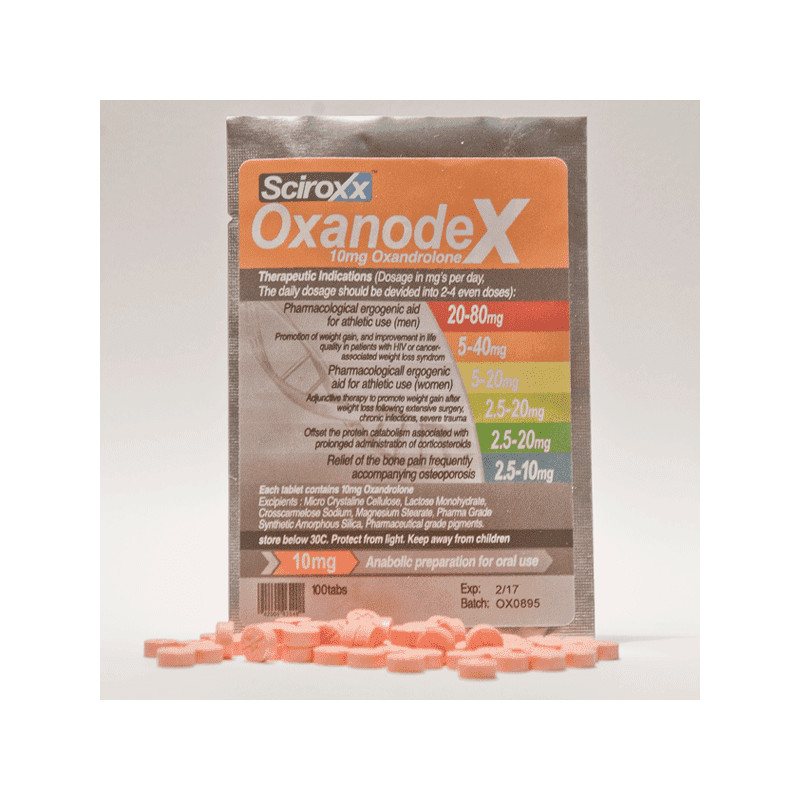
- Oxandrolone (Anavar) at just 10 mg orally has been shown in clinical studies to suppress endogenous testosterone by ~60% within 24 hours
- SARMs, despite being marketed as non-suppressive, consistently demonstrate significant testosterone suppression in human trials
Given this context, the idea of an oral androgen that does not meaningfully suppress testosterone appears almost implausible.
Mesterolone in Healthy Men
To investigate this, researchers examined the endocrine effects of mesterolone, comparing it to fluoxymesterone, a known suppressive oral androgen.
In controlled human studies, healthy adult males were administered mesterolone at doses ranging from 25 to 150 mg per day.
Across multiple investigations, researchers observed:
- Little to no suppression of LH or FSH
- Only minor reductions in total plasma testosterone
- Stable levels of free (biologically active) testosterone
— a critical finding, as free testosterone is the primary determinant of androgenic effects - No evidence of significant pituitary shutdown
Researchers concluded that mesterolone’s effects were primarily peripheral, rather than centrally suppressive to the HPG axis.
This distinction is critical.
Fluoxymesterone: A Sharp Contrast
Under similar clinical conditions, fluoxymesterone — a testosterone derivative — produced a dramatically different hormonal response:
- Marked reductions in plasma testosterone
- Evidence of testicular suppression
- Endocrine disruption inconsistent with long-term hormonal stability
Despite both compounds being orally active androgens, fluoxymesterone behaved as a classically suppressive anabolic steroid, reinforcing that oral bioavailability alone does not determine suppression risk.
Study 2: Proviron’s Exceptionally High Affinity for SHBG
The second defining feature of Proviron explains why its endocrine profile is so unusual.
What Is SHBG — and Why It Matters
Sex hormone-binding globulin (SHBG) is the primary transport protein for testosterone in circulation.
Approximately 97–99% of testosterone is bound to SHBG or albumin, rendering it biologically inactive. Only the free (unbound) fraction can:
- Activate androgen receptors
- Support libido and erectile function
- Influence mood, cognition, and motivation
This is why men can display “normal” total testosterone levels while still experiencing symptoms of androgen deficiency.
Clinical Binding Data
In comparative endocrine studies examining the relative SHBG-binding affinity of androgens under identical laboratory conditions, researchers found:
- DHT binds SHBG more strongly than testosterone
- Mesterolone demonstrated a binding affinity approximately four times higher than DHT
This places Proviron as the strongest SHBG-binding androgens ever studied.
Why This Matters in Practice
Because mesterolone binds SHBG so efficiently, it:
- Occupies SHBG binding sites
- Prevents testosterone (and other androgens) from being bound and inactivated
- Increases the proportion of free, biologically active androgens
This effect is mechanistic and measurable, not anecdotal.
By increasing androgen efficiency rather than total hormone levels, Proviron enhances anabolic and androgenic impact sharply, while reducing potential side-effect burden.
What These Studies Tell Us About Proviron
When evaluated through clinical data rather than anecdote, Proviron emerges as a distinct pharmacological agent:
- Strong SHBG binding increases free testosterone availability
- Minimal gonadotropin suppression at low-to-moderate doses
- Predominantly peripheral rather than centrally suppressive activity
This explains its proven historical medical use in:
- Male infertility
- Androgen deficiency
- Libido and sexual dysfunction
- Adjunct therapy alongside testosterone
Practical Implications for TRT and Performance Use
Based on available clinical evidence:
- Low-dose Proviron (~25 mg/day) is unlikely to meaningfully suppress endogenous testosterone in most men
This allows for strategic use in early PCT phases or low-impact protocols where maintaining androgenic function is critical. - Proviron may be suitable for first-cycle exposure, as it enhances free testosterone without the unavoidable suppression—something you simply can’t achieve with any other steroid or SARM
- Improvements in libido and overall well-being occur through a dual, complementary mechanism.
First, Proviron exerts a direct androgenic effect within the central nervous system. As a DHT-derived androgen, it acts directly on androgen receptors in the brain and other neural tissues, which are critically involved in libido, sexual motivation, mood, and perceived vitality.
Second, Proviron simultaneously displaces testosterone from sex hormone-binding globulin (SHBG). By occupying SHBG binding sites, it increases the proportion of free, biologically active testosterone in circulation.
Together, these mechanisms allow Proviron to enhance overall androgenic signaling without increasing total testosterone levels, enabling meaningful improvements in libido and well-being at relatively low doses — a key factor for long-term endocrine health, particularly in older individuals or TRT patients.
- By increasing androgen efficiency rather than total exposure, Proviron may reduce toxicity and side-effect risk — a particularly important consideration for older individuals or long-term TRT users.
Limitations and Responsible Interpretation
Despite these advantages, important caveats remain:
- High doses or prolonged use may still cause suppression in susceptible individuals
- Proviron is not a substitute for proper PCT
- Individual genetics and baseline SHBG levels strongly influence outcomes
- Clinical evidence supports relative safety, not endocrine immunity
Conclusion: Proviron’s Reputation Is Backed by Science
Unlike many anabolic steroids whose reputations are built primarily on anecdote, Proviron’s core claims are supported by human clinical research.
Its:
- Exceptional SHBG binding
- Minimal testosterone suppression at low doses
- Peripheral mode of action
make it fundamentally different from traditional oral androgens.
Proviron is not a mass builder — it is a hormonal efficiency tool.
And when judged through the lens of endocrine science rather than hype, its long-standing reputation holds up remarkably well.