Low Testosterone, Belly Fat, and the Right Weekly Dose: What Science Really Shows
For most people, testosterone is “the muscle hormone”—linked to strength, libido, and drive. What’s far less understood is how deeply testosterone also controls fat gain, fat distribution, and metabolic health.
Look at the difference between boys and girls: in childhood, body fat levels are similar. In adulthood, women generally carry more total body fat and store it differently. One of the key hormonal differences between the sexes? Testosterone.
This hormone doesn’t just help you build muscle—it also helps you stay lean. When testosterone drops, the body becomes more efficient at storing fat, especially around the abdomen and internal organs. That isn’t just a cosmetic problem; it’s a serious health risk.
How Low Testosterone Promotes Fat Gain
Testosterone plays a central role in regulating body composition. It supports:
-
Fat breakdown (lipolysis) – helping the body mobilize and burn stored fat
-
Prevention of new fat cell formation (anti-adipogenesis) – limiting how easily new fat cells are created
When testosterone levels are low, both of these mechanisms slow down:
-
Your body becomes less efficient at burning stored fat
-
It becomes easier to accumulate new fat, particularly visceral fat around internal organs
The result? Even if diet and training stay the same, it becomes easier to gain fat and harder to stay lean.
More Fat, Less Testosterone: The Vicious Cycle
This relationship is not one-directional. Gaining fat further suppresses testosterone.
Fat tissue, especially around the belly, is rich in an enzyme called aromatase. Aromatase converts testosterone into estrogen. As body fat rises:
-
More testosterone is converted into estrogen
-
Estrogen levels climb
-
The brain’s hormone-regulating axis (the HPG axis) responds by reducing natural testosterone production
This creates a self-perpetuating loop:
Higher body fat → Lower testosterone → More fat gain → Even lower testosterone
It’s no coincidence that:
-
Obesity is one of the biggest health pandemics of the 21st century
-
Average testosterone levels in men have declined significantly over the last several decades
These two trends are closely linked through this hormonal feedback loop.
What Research Shows: Dose–Response in Real Men
A large body of scientific evidence supports this interaction between testosterone, fat, and metabolic health. Overweight and obese men routinely show:
-
Lower total and free testosterone
-
Increased waist circumference
-
Higher rates of insulin resistance and metabolic syndrome
On the other hand, properly managed testosterone therapy (TRT) or controlled use of anabolic testosterone esters has been shown to:
-
Reduce fat mass, particularly abdominal fat
-
Increase lean body mass and strength
-
Improve insulin sensitivity and metabolic markers
One of the most important studies in this area is:
“Testosterone Dose–Response Relationships in Healthy Young Men” – NIH / NEJM
In this trial, healthy young men were given different weekly doses of testosterone enanthate (from 25 mg up to 600 mg per week) for 20 weeks. Researchers then measured changes in:
-
Body composition (fat mass and fat-free mass)
-
Muscle size and strength
-
Hormones and health markers
Key Results
Fat-free mass gains:
-
~125 mg/week → around 3.4 kg gain in fat-free mass
-
~300 mg/week → around 5.2 kg gain in fat-free mass
-
~600 mg/week → around 7.9 kg gain in fat-free mass
Muscle growth & strength:
-
Thigh muscle size increased with dosage
-
Leg press power and overall strength improved in a dose-dependent manner
Fat loss:
-
Higher testosterone doses were associated with greater reductions in fat mass, especially around the abdomen
Other observations:
-
Hemoglobin and IGF-1 (a powerful growth-mediating hormone) increased
-
HDL (“good”) cholesterol decreased slightly
-
No significant changes in sexual drive, mental sharpness, or PSA were observed within the study period
The takeaway is simple:
Testosterone’s effects on muscle and fat are dose-dependent.
Higher doses produced more dramatic improvements in body composition—more lean mass, less fat.
Choosing the Right Testosterone Dose
If your goal is to improve body composition (more muscle, less fat), the dose you use matters.
Based on the study data and clinical experience, you can think in rough ranges:
-
150–200 mg/week
-
Primarily a TRT range
-
Supports normal energy, libido, and metabolic health
-
Maintains or modestly improves muscle mass
-
-
~300 mg/week
-
Effective for moderate muscle gain (around 4–5 kg fat-free mass in the study)
-
Provides noticeable improvements in body composition
-
-
~600 mg/week
-
Associated with significant transformations (~7.9 kg lean mass gain)
-
Marked reduction in fat mass and a clear performance boost
-
A crucial insight from the NIH study:
Both 300 mg and 600 mg doses suppressed natural testosterone production to a similar extent.
Once you cross a certain threshold, your own production is essentially shut down regardless of whether you are at 300 or 600 mg. If suppression is going to happen anyway, many performance-oriented users argue it can be more productive—in a limited time frame—to use 500–600 mg/week to fully leverage the anabolic and fat-loss effects of exogenous testosterone.
Importantly, the study found comparable safety profiles between 300 mg and 600 mg within the trial duration, supporting the controlled use of supraphysiological doses (above natural levels) for serious body-composition goals under proper monitoring.
Individualization: Why One Dose Doesn’t Fit All
Even with good data, there is no truly “universal” dose. Responses to testosterone vary widely.
Your ideal dosage depends on:
-
Your main goal
-
Health-oriented TRT vs aggressive physique enhancement
-
-
Baseline health markers
-
Lipids, hematocrit, liver function, blood pressure, insulin sensitivity
-
-
Product quality and bioavailability
-
Pharmaceutical-grade vs underdosed or inconsistent products
-
-
Tolerance and side effects
-
Tendency for acne, hair loss, mood changes, blood pressure issues, etc.
-
Two people on the same weekly dose may experience very different results and very different side-effect profiles. That’s why lab work, follow-up, and honest self-assessment matter.
Breaking the Fat ↔ Low T Cycle
The good news:
The “more fat → less testosterone → more fat” spiral is not permanent.
With the right strategy, you can reverse the trend:
-
Optimize or restore testosterone to healthy or performance-oriented levels
-
Reduce visceral and abdominal fat
-
Increase lean muscle mass and strength
-
Improve insulin sensitivity and metabolic health markers
For some, this may mean TRT-level dosing to correct a clinical deficiency. For others, it may involve a time-limited, well-structured enhancement phase using higher doses, with proper support and recovery.
How Sciroxx Can Help
At Sciroxx, we recognize that every individual has a unique hormonal landscape and goal set. Whether you’re:
-
Looking to restore normal function through TRT-style protocols, or
-
Aiming for a more advanced performance-focused transformation
…having access to reliable, consistent testosterone products is crucial.
Our line includes options such as:
-
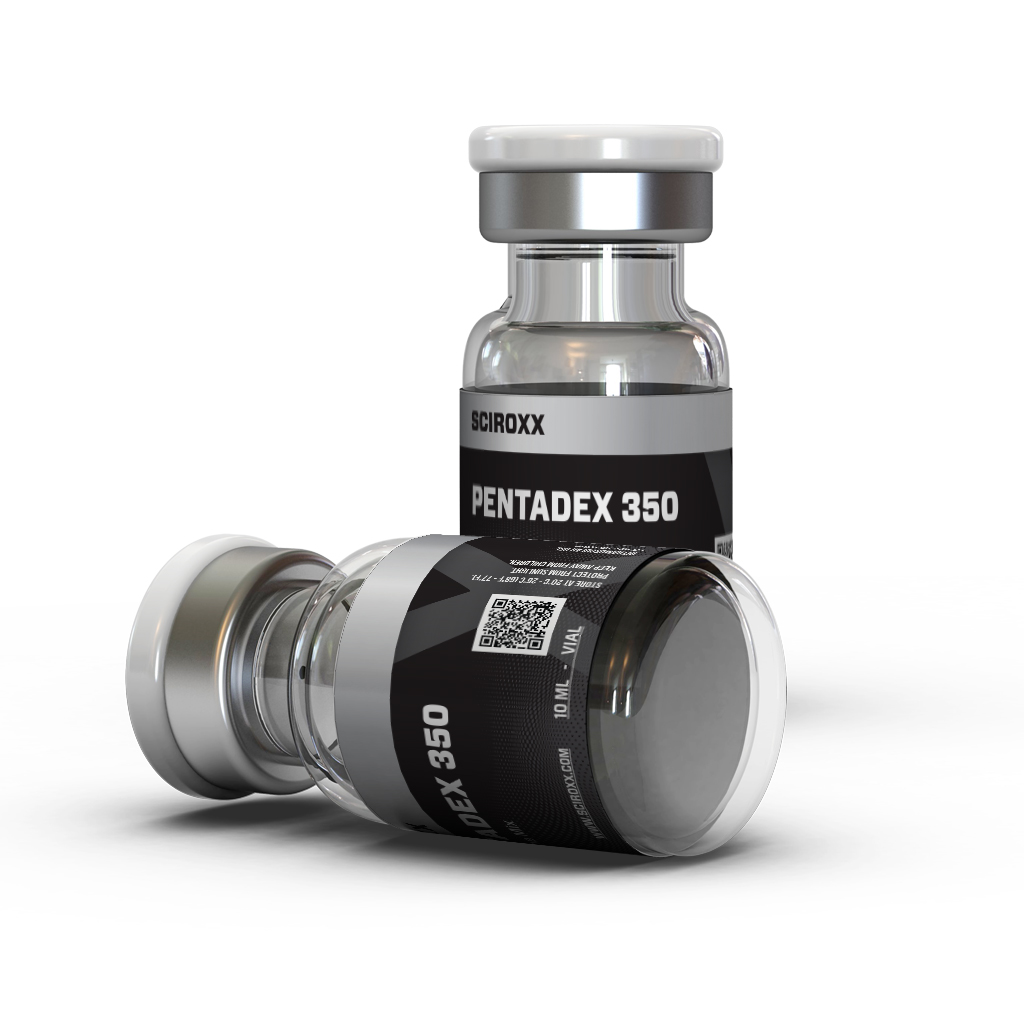
Testodex Enanthate – designed for stable blood levels and dependable results in both TRT and enhancement-style cycles
Combined with intelligent planning, proper lab monitoring, and supportive compounds where appropriate (for example, HCG to support the testicular axis, or IGF-1/HGH strategies for advanced protocols), testosterone can become a powerful tool for both health and physique.
Conclusion
The relationship between testosterone and fat is a two-way street:
More fat → Lower testosterone → More fat
But this cycle can be broken.
By understanding how testosterone impacts fat storage, how fat further suppresses testosterone, and how dose-dependent effects work in real humans, you can make more informed decisions—whether your priority is health, performance, or both.
Understanding this hormonal interplay is the first step toward a leaner, stronger, and healthier body.
Disclaimer: This article is for educational purposes only and is not medical advice. Hormone therapy and performance enhancement should always be approached with proper medical supervision and regular blood work.